The Power of Enforced Naps: Helping Your Puppy Learn to Rest
One of the most common concerns new puppy owners have is that their puppy seems to have endless energy. They zoom around the house, nip at hands and clothing, struggle to listen, and become increasingly difficult to manage as the day goes on.
In many cases, the problem isn't that the puppy needs more exercise—it's that they need more sleep.
Just like overtired toddlers, puppies often become more hyperactive, mouthy, frustrated, and unable to regulate themselves when they are tired. Teaching your puppy how to rest is one of the most important skills you can help them develop.
How Much Sleep Does a Puppy Need?
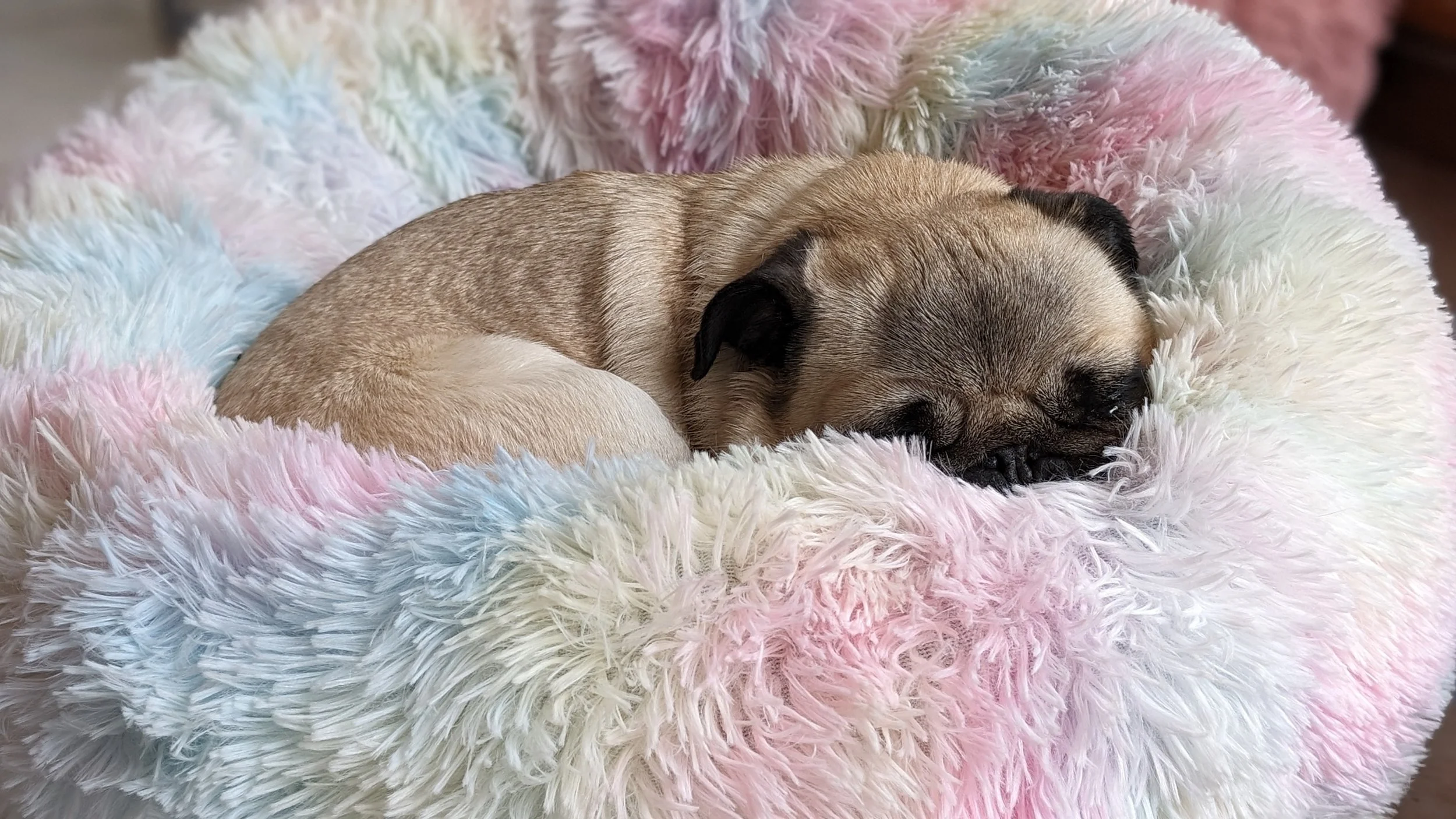
Most puppies need between 18–20 hours of sleep per day, depending on their age. Many puppies will not choose to rest on their own, especially in busy households where there is always something interesting happening.
This is where an enforced nap schedule can be incredibly helpful.
When Should Your Puppy Have a Nap?
A good rule of thumb is to offer a nap after periods of activity, such as:
Training sessions
Play sessions
Walks and exercise
Social outings
Visitors coming to the house
Any exciting or mentally stimulating activity
A common schedule is:
1 hour awake
1–2 hours asleep
This doesn't need to be exact, but many puppies benefit from alternating periods of activity and rest throughout the day.
Setting Up the Perfect Nap Environment
The goal is to create a safe, quiet space where your puppy can switch off and relax.
You can use:
A crate
An exercise pen
A puppy-proofed room
A combination of a crate attached to a pen
Many puppies settle best when they are prevented from wandering around the house looking for things to do.
Before nap time:
Allow your puppy some exercise, training, or play.
Take them outside for a toilet break.
Place them in their crate or pen.
Give them something calming and long-lasting to enjoy.
Some good options include:
A frozen stuffed Kong
A frozen Toppl
A lick mat
A safe chew
Part of their meal delivered in a food toy
Licking, chewing, and sniffing are naturally calming behaviours that can help transition your puppy from activity into rest.
What If My Puppy Won't Settle?
Many puppies protest initially when nap routines are first introduced.
If your puppy is whining or fussing, first ask yourself:
Have they recently been to the toilet?
Have they had enough exercise and enrichment?
Are they hungry or thirsty?
Are they too hot or too cold?
If all their needs have been met, try:
Covering part of the crate (if your puppy is comfortable with this)
Moving the crate or pen to a quieter location
Playing soft background music or white noise
Providing a more engaging chew or food toy
Remaining nearby while they learn the routine
Avoid repeatedly letting your puppy out when they fuss, as this can accidentally teach them that crying is the way to gain access to freedom and attention.
Many puppies need some time to learn that rest periods are a normal part of daily life.
When Settling Difficulties May Be More Than Normal Puppy Frustration
Some puppies struggle to settle because they are experiencing genuine distress when separated from their people.
Signs that may suggest separation-related concerns include:
Intense panic when left alone
Constant barking, crying, or howling
Scratching or biting at the crate or pen
Drooling excessively
Attempting to escape
Inability to engage with food or chews when alone
Remaining distressed rather than gradually calming down
These behaviours are different from a puppy simply protesting because they would rather be playing.
If your puppy is showing signs of separation distress, forcing longer periods of confinement is unlikely to help. Instead, focus on gradually building positive associations with being alone through carefully structured training.
This may include:
Starting with very short absences
Returning before your puppy becomes distressed
Pairing alone time with special food items
Teaching independence skills throughout the day
Seeking guidance from a qualified trainer if needed
Consistency Is Key
Many owners feel guilty about enforcing naps, but rest is just as important as exercise and training.
A well-rested puppy is often:
Less mouthy
Better able to learn
More emotionally regulated
Less likely to become overstimulated
Easier to live with
If your puppy seems wild, naughty, or unable to focus, ask yourself one simple question:
"When was their last nap?"
You may find that sleep is exactly what they need.